Fence Repair Before an Edmond Home Sale: What Buyers Actually Flag
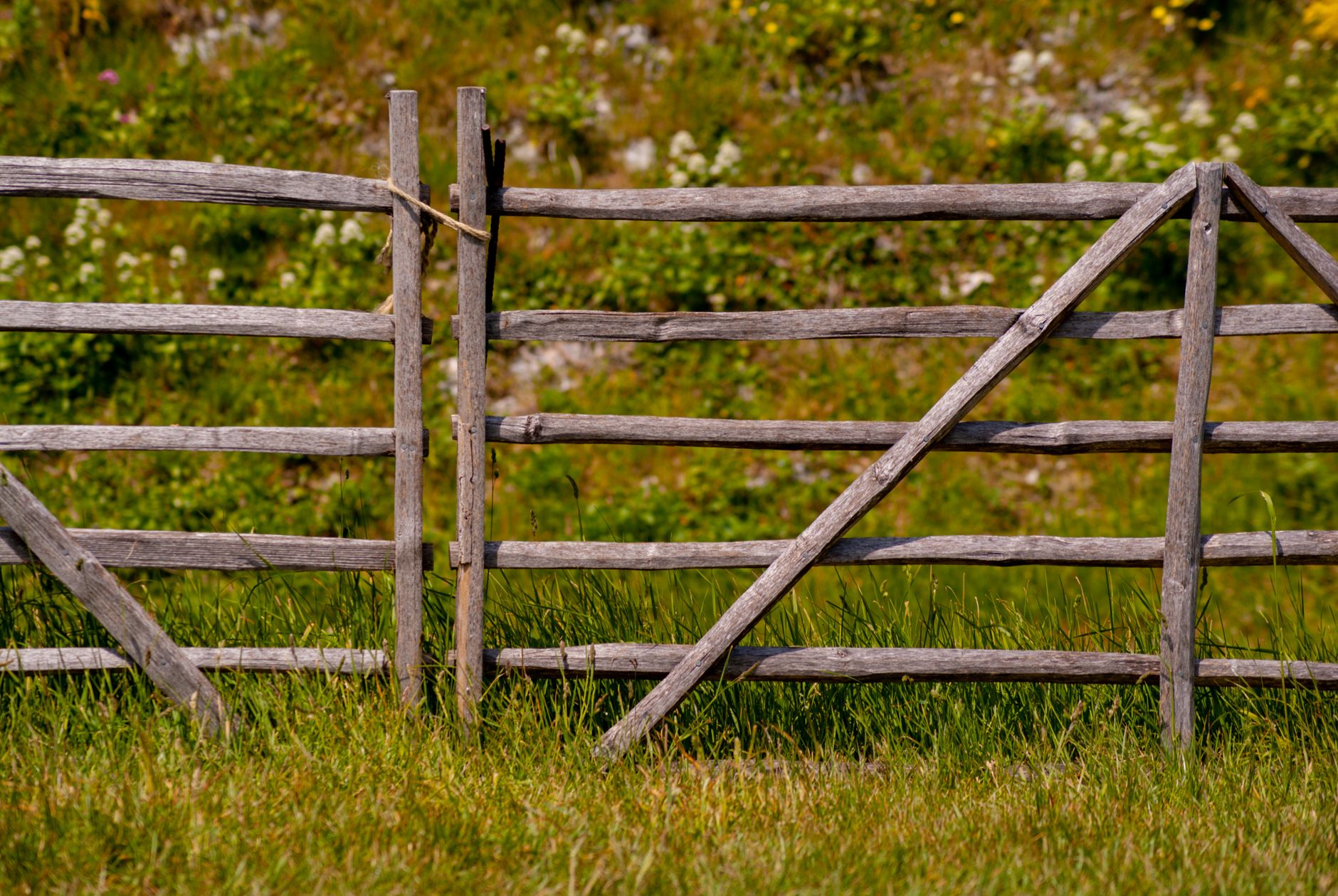
Few home sales in central Oklahoma turn on a fence, and yet the fence lands on buyer repair requests more often than almost anything outside the roof and the heating system. It stands at the property line where everyone can see it, it photographs badly, and an inspector can describe what is wrong with it in one sentence that a buyer agent pastes straight into an addendum. That combination makes a fence an easy thing to ask for.
It also makes a fence an easy thing to overspend on. A seller handed a long list late in the inspection period tends to want the whole line dealt with at once, and a crew quoting against a deadline will happily price the whole line. The narrower move is better: separate what affects whether the fence stands and whether a gate latches from what affects how the fence looks, then spend the short window on the first group only.
Appearance work earns its keep on a listing that has not gone under contract yet, when a gray run reads as neglect in the photographs. An inspector flags a hinge post that rocks inside its concrete collar, not the silver cedar on the west facing runs in Edmond, and staining a structurally sound fence in the last week before funding adds cost without moving one item off the repair request. Inside a signed contract with a resolution deadline, that work competes for the same crew hours as the repairs the buyer actually named.
What gets written up, and what the words mean
Inspection language is cautious by trade habit, so the report rarely says what to fix. It says what was observed. Three observations carry almost all the weight.
A post described as loose, leaning or out of plumb is the expensive one, because the rails, the pickets and often a gate all hang on it. Push the top of every post in the run with the flat of a hand. A post that moves while the concrete stays put has usually lost its wood at the soil line, which is where cedar sapwood goes first and where treated pine gives up if the cut end was never sealed. A post that moves with its collar, the whole plug rising or tipping as a unit, is a ground problem rather than a wood problem.
A bottom rail that has taken on a curve, the shape crews call a smile, means the span is carrying more than the fastening can hold. Face mounted rails on brackets sag at the screws. Butted rails nailed through the post end grain pull out slowly, a season at a time, and the pickets ride down with them. On chain link the equivalent note is a loose terminal post, a bent top rail after a limb came down, or fabric fraying where it was never tied back to the tension bands.
A gate that drags, will not latch, or shows a visible gap at the top of the latch side gets read by a buyer as the whole fence failing, and it is the item most likely to come back in a reinspection. Measure the two diagonals of the leaf before touching anything. If they differ, the frame has racked and needs a brace or a turnbuckle. If they match, the fault is in the post or the hinges, and tightening the leaf will accomplish nothing.
Pool barriers get read against a stricter sheet
On a property with a pool, the fence stops being cosmetic entirely. Self closing hinges that no longer return the leaf, self latching hardware that catches only when lifted and held, a worn gap under the gate, or a horizontal rail on the pool side that a child can stand on are all items a buyer will push to have corrected before closing rather than after. These repairs are usually small and almost never optional, so they belong at the top of the list even when the fence around them is sound.
The appraiser is not reading the inspection report
Two different people look at a fence during a sale and they are looking for different things. The inspector describes condition for the buyer. The appraiser forms an opinion of value and, on a loan with government backing, may also note conditions that have to be addressed before the file can fund. Deferred maintenance and anything that reads as a safety issue are the categories that create a delay, and a leaning post beside a public sidewalk can land in both.
What that means in practice is that the item nobody negotiated can still stop the closing. A seller who settles the buyer list and leaves one obviously failed post standing at the street has solved the smaller of the two problems. Walk the street facing runs with the same attention given to the back yard.
Triage in the order a crew can actually work
Sequence matters, because fence work has a fixed order and some of it has to wait on other things.
Posts first, because the rest hangs on them
Resetting a post means digging out the old collar, or digging beside it, and that means a utility locate request. The locate is free and it has a lead time measured in business days, so it is the first phone call of the project rather than the last. Fences in Edmond sit close to sprinkler lines, low voltage lighting and the occasional gas run out to a grill, and none of those show up on a locate ticket, which is one more reason the digging goes to someone who has worked this ground before.
New concrete also needs time before it is loaded. A post carrying nothing but rails can be framed fairly quickly. A hinge post carrying a wide gate wants the better part of a day at minimum, and longer when the overnight temperature drops, before the leaf goes back on it.
Rails, pickets and fasteners
With the posts true, a sagging rail is often repairable in place with a longer bracket, a mid span support, or ring shank fasteners driven into fresh wood rather than back into the same tired holes. Smooth nails are designed to be driven, not to be held, so a run that has been renailed twice in the same holes is telling you the wood is spent in that spot. Replacing a handful of pickets at the bottom of a run is routine work. Replacing every picket because four of them cupped is a replacement project wearing a repair label.
Gates last
Hang the gate after the post is set and cured, then set the hinge and the latch for the condition the fence will be in on the day of the final walkthrough, not the condition it is in on the day of the repair. A latch adjusted in a hot dry week will read differently after a soaking rain.
What the ground here does to the timeline
The shrink and swell clay under Edmond and the rest of Oklahoma County is the reason post problems cluster. A dry stretch pulls the soil back from the sides of a hole and the post loses the side friction that was doing much of the work, so a fence that stood through five years of wind starts rocking in August. A wet spring puts the water back and lifts the collar, and the run develops a hump that reads as a heaved post. Both failures are footing failures, and neither is cured by bracing the wood above them.
Mature additions near the Broadway corridor carry a second factor. Large shade trees keep the base of a run damp until mid morning and fill the footing space with root, which is a slower problem than wind but an earlier one than most owners expect. Newer additions trade that for exposure, long unbroken runs of solid cedar standing as a sail through spring storm season, and an architectural committee with something to say about the material and the finish on any replacement board.
Cosmetic work, and where it actually belongs
None of this argues against finishing a fence. A cleaned and sealed cedar run is one of the cheaper ways to make a back yard photograph well, and a repaired section will show its new boards plainly until the color is brought together. The question is only when.
Before a listing goes live, with warm dry weather and no deadline on the calendar, finish work is a reasonable spend. Inside a contract, two things work against it: the wood near a fresh repair is often still wet from washing or from the concrete work, and a coating applied over damp wood fails early in a way that is visible at the walkthrough. Putting that work on the buyer side of closing, or into a credit the parties agree on, is usually cleaner than racing it.
Paperwork, so the same repair is not relitigated
Photograph every item before the crew starts and again when they finish, framed so the post or the gate is identifiable from the street. Keep the invoice itemized by location rather than described as fence repair, because a reinspection will be looking for named items. Note any workmanship warranty and who holds it, since that warranty is of real interest to a buyer about to own the fence. When a repair is declined on purpose, say so in writing with the reason rather than leaving it unmentioned, which is how a settled item reappears two days before funding.
A fence rarely kills a deal on its own. It delays plenty of them, almost always because the work started on the wrong half of the list.